Corallo a forma di cespuglio, con rami sottili e irregolari che si suddividono in numerosi rametti appuntiti.
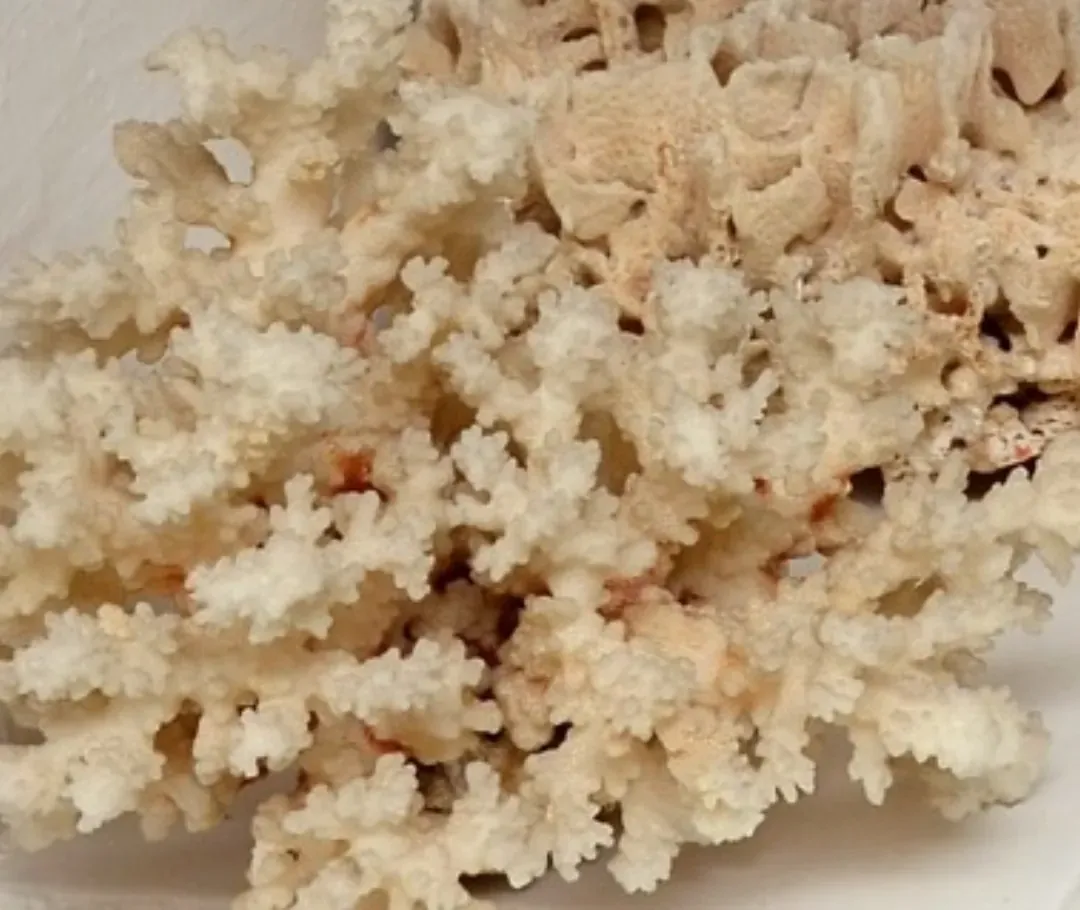
La superficie è ruvida e ricoperta da piccole cavità dove si trovavano i polipi.
È simile ai coralli del genere Acropora, molto diffusi nelle barriere coralline tropicali.
La struttura aperta favorisce la circolazione dell’acqua e l’ossigenazione.
CORALLO FUNGO
Si presenta con una forma tondeggiante e compatta, con una superficie ondulata e percorsa da profonde scanalature.
Ricorda visivamente la superficie del cervello umano, da cui il nome comune corallo cerebrale.
Le scanalature sono solchi dove risiedevano i polipi.
CORALLO FUNGO
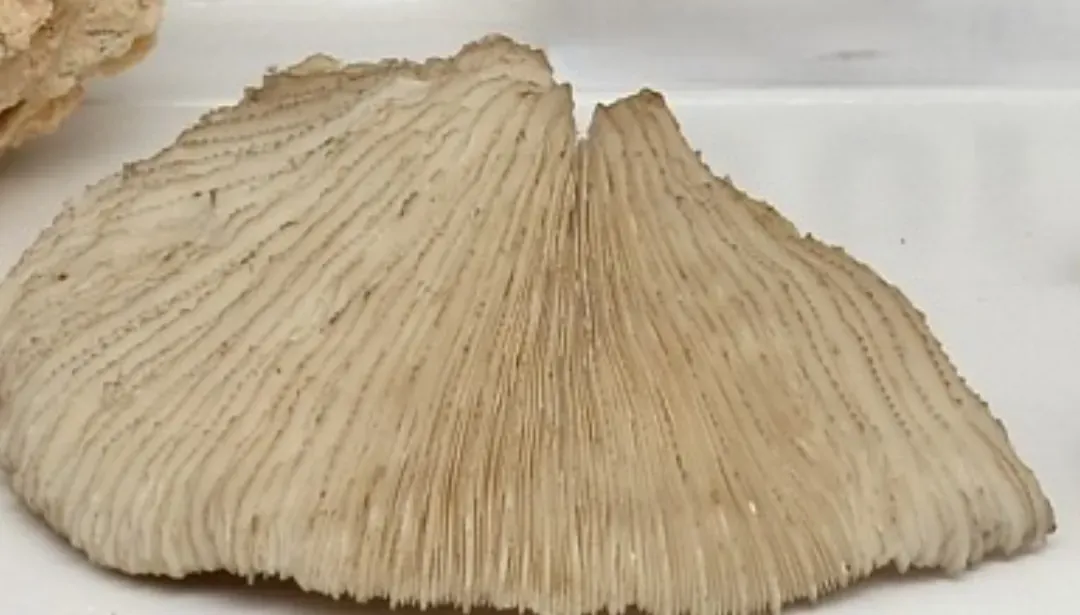
Presenta una forma discoidale, piana o leggermente concava con striature radiali simmetriche.
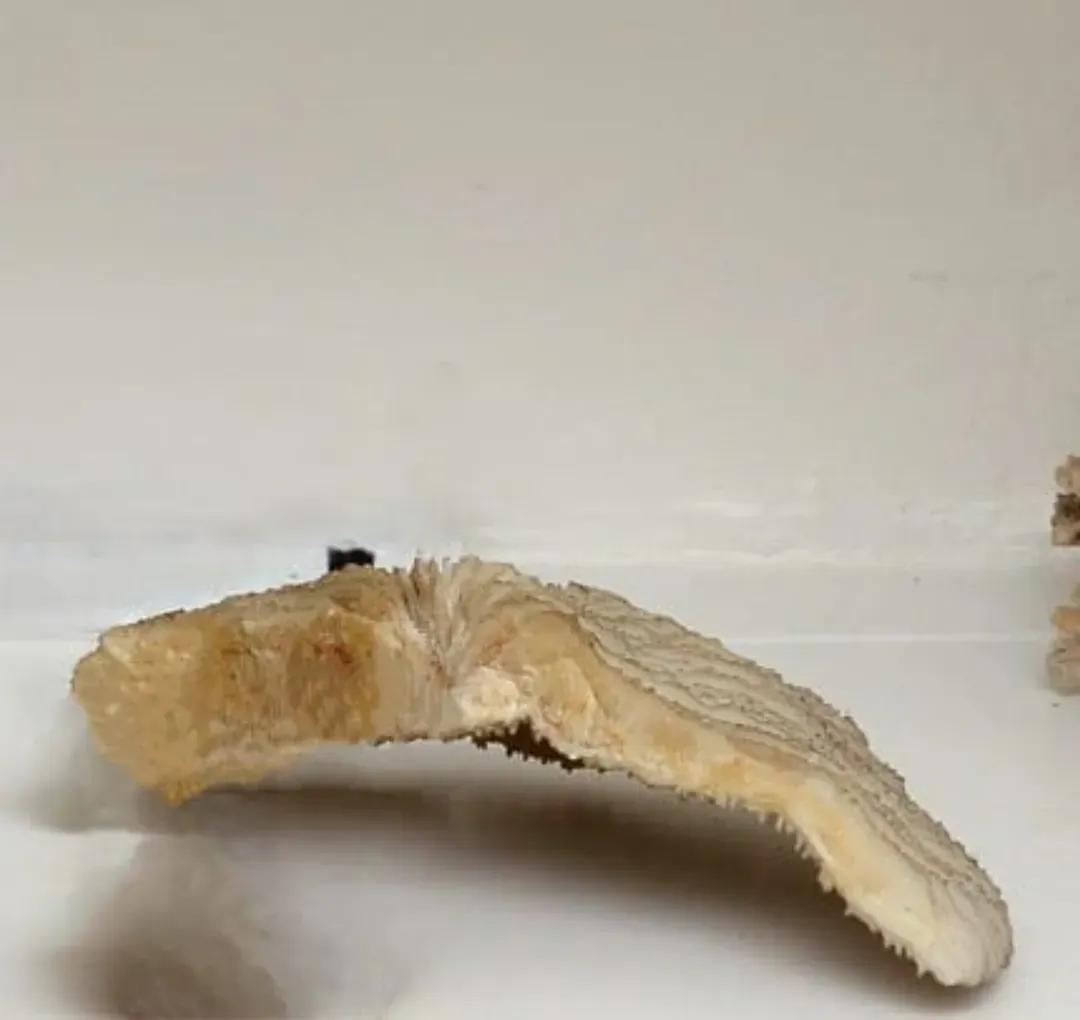
Corallo solitario, non coloniale, che vive libero sul fondale e può muoversi leggermente.
CORALLO TUBOLARE
Struttura compatta formata da numerosi tubicini fitti con estremità visibili.
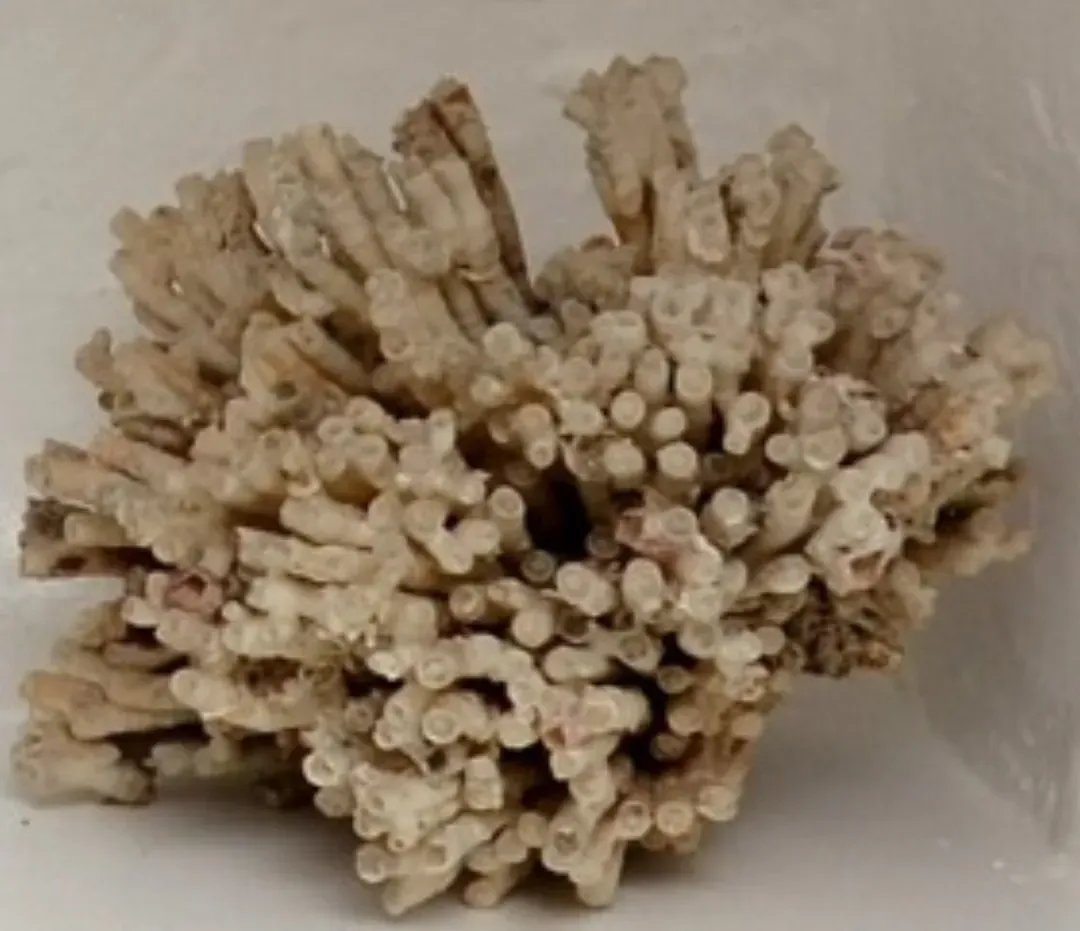
Ogni tubicino ospitava un singolo polipo.
Il colore sbiancato è tipico di esemplari fossili o essiccati.
CORALLO MASSICCIO POROSO
Piccolo esemplare sferico con cavità uniformi sulla superficie.
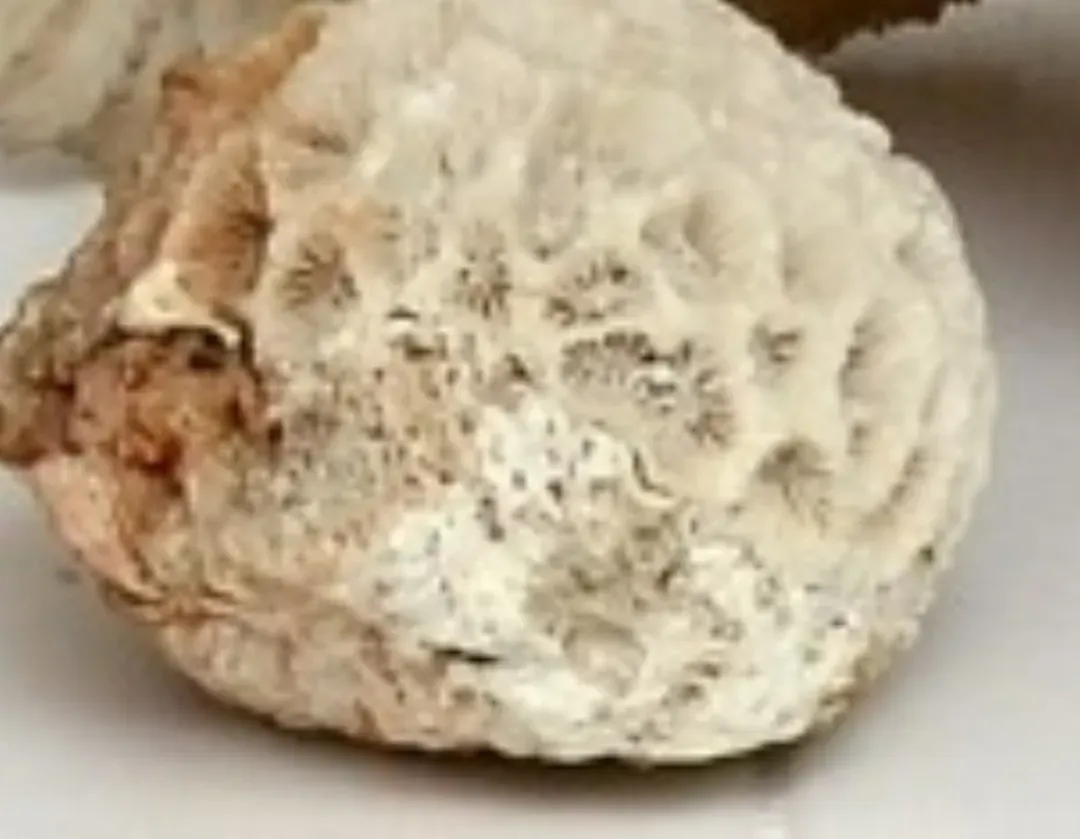
Ricorda i coralli del genere Porites, noti per la crescita lenta e continua.
CORALLO FUNGO PICCOLO
Versione più piccola e chiara del corallo fungo, simile a una conchiglia piana.
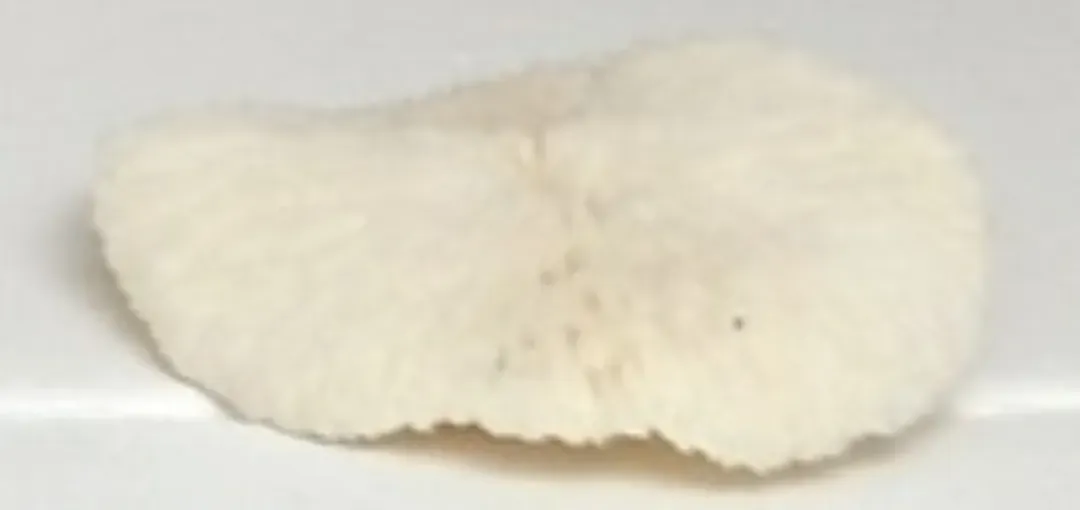
Le dimensioni ridotte e la forma regolare lo rendono visivamente delicato.
BRANCHING CORAL
Bush-like coral with thin and irregular branches that split into many pointed branchlets.
The surface is rough and covered with small cavities where the polyps used to be.
It is similar to corals of the Acropora genus, common in tropical reef environments.
The open and articulated structure favors water circulation and oxygenation.
MUSHROOM CORAL
Rounded and compact shape, with a wavy surface marked by deep grooves.
Visually resembles the surface of the human brain, hence the common name brain coral.
The grooves are actually furrows where the polyps were aligned in neat rows.
MUSHROOM CORAL
Flat or slightly concave disk-like shape.
Radial striations start from the center and extend towards the edge, giving a symmetrical appearance.
This is a solitary, non-colonial coral that lives freely on the seabed and can move slightly.
TUBULAR CORAL
Compact structure made of many dense little tubes with visible ends in section.
Each tube housed a single polyp.
The bushy and compact form resembles corals of the Cladocora or Pocillopora genus.
The bleached color is typical of fossilized or dried specimens.
POROUS MASSIVE CORAL
Small spherical specimen with many small uniform cavities on its surface.
These openings correspond to corallites, the housing of individual polyps.
The compactness of the structure and the regularity of the surface resemble features
of Porites corals, known for their resilience and slow, continuous growth.
SMALL MUSHROOM CORAL
Smaller and lighter version of mushroom coral, similar to a flat shell.
The radial and slightly convex surface confirms its belonging to the Fungiidae group.
Its small size and regular shape make it visually delicate.